
Cybersecurity Recommendations for E-Commerce Businesses
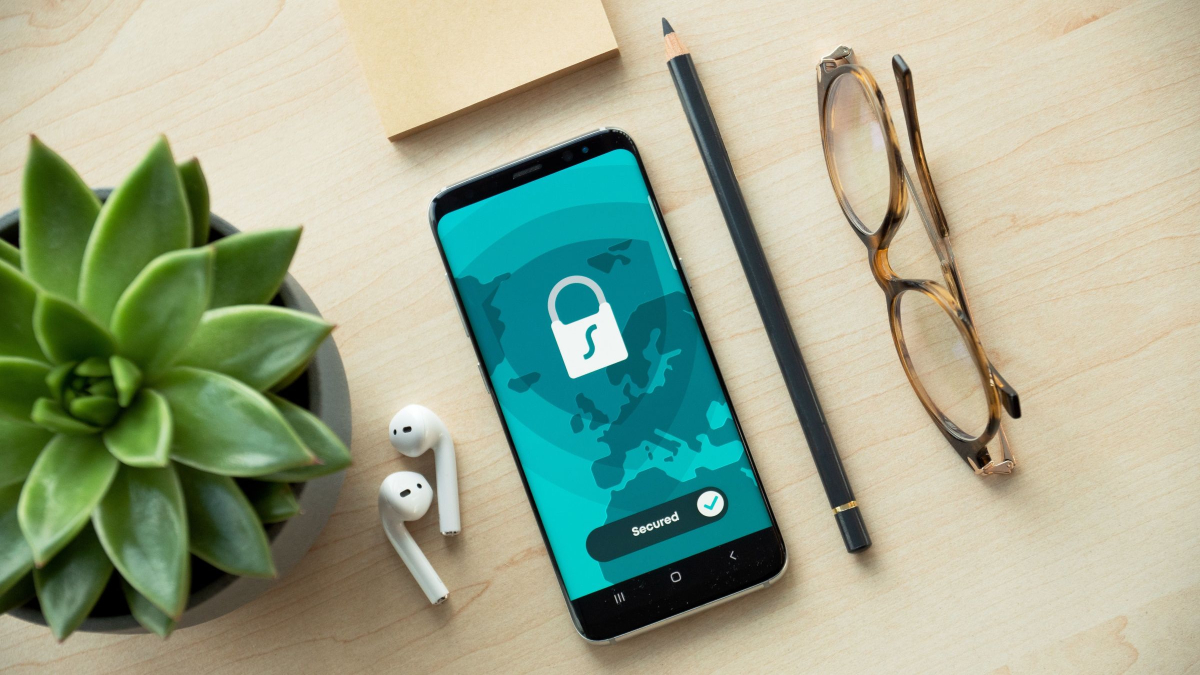
Recent studies show that a company’s average cost to recover from a data breach is close to $8 million. This exorbitant figure is a combination of the time and resources needed to restore systems, efforts to recover lost data, and marketing costs needed to rebuild their broken reputation. Does your e-commerce business have that sitting in the bank?
Most companies don’t, so it’s important to stop hackers in their tracks before they can cause irreversible damage. Let’s look at some common threats and what you can do to secure your online business.
Stay Aware of Common Threats
As technology advances and the internet becomes easier to navigate, more companies are moving to the e-commerce landscape, and hackers are not blind to this transition. They know that more people are shopping online and that there is an unlimited amount of private data available for the taking. Because of that, they are employing many tactics, new and old, to take advantage of unsuspecting businesses.
There are many cyber attacks you may never see coming, such as the denial of service attack, where hackers flood your servers with information in the hopes of crashing your system. Along with that is the ransomware attack, which has hackers gain access and lock your website until you pay a ransom to regain control. In both of these cases, your e-commerce site could be shut down for hours, which could result in lost income and potential customers.
In other cases, hackers take advantage of the tendency for customers and employees to use weak passwords. One method is the brute force attack, where hackers try to force their way into your servers by trying all possible password combinations in hopes of finding one that works. This alone is why it is essential to require that customers set up accounts using a complicated password with a combination of letters, numbers, and special characters.
Secure Your Systems
Aside from strong passwords, there are many other security protocols you should put in place right now to fight off a potential data breach. To mitigate the risk of viruses, ransomware, or malware, you should have a secure site with an SSL certificate. This turns the HTTP in front of the web address into an HTTPS. The “s” stands for secure, and it proves to customers that they can add payment info to your site without worry.
While you likely get your SSL certificate while building your site, it is important to remain vigilant once you’re up and running by installing antivirus software with weekly scans. You should also have a strong firewall to block invasion attempts. Both of these software protections must be updated to the latest version whenever necessary so you can fight off the most recent threats.
In the case that a hacker is successful or your data is otherwise compromised, you must have precautions in place ahead of time. Invest in physical backup servers that are separate from the mainframe, so you can restore customer data if it is ever lost or destroyed. On top of that, all data should also be encrypted so it cannot be read even if stolen.
Lastly, make sure all your tech is up to date. Having any outdated technology could make it easier for hackers to gain access to important data. So if you can’t remember the last time you upgraded your business tech, it’s probably time to look into more secure hardware and software options.
Avoid Employee Error
The arrival of COVID-19 and social distancing has forced many employees to work from home or out of the office, so hackers are using other common tricks to take advantage and gain unlawful access to your servers. Due to the potential threats and the fact that management is not working alongside the employees, efficient security training to recognize scams is paramount.
For example, phishing scams accounted for 93% of all data breaches in 2018. These are communications that appear to be from a legitimate source, but instead, they are designed to trick the user into clicking a link or attachment that introduces malware into the system. The arrival of COVID-19 has put more people on edge, so hackers have new ways to trick users with fake links to CDC alerts and health advice emails. Remind employees that they must be vigilant, to only open emails they were expecting, and inform the IT team of suspicious messages.
The freedom of having an online business allows you to work outside of the home at a library or coffee shop, but employee training is needed here as well on the subject of man-in-the-middle attacks. These are fake Wi-Fi accounts set up in public places that are engineered to look authentic, but when connected, you are essentially locking onto the hacker’s device, and they can use that connection to break into your website. Remind employees to keep their personal computers and phones password-protected, with antivirus software installed, and to only connect to public Wi-Fi after confirming with the store owner.
If your business has the resources, consider hiring a dedicated security agent or a team that can seal and protect these potential vulnerabilities. Be prepared now, and you won’t be sorry later.


